
Don't Just Get a Biennial Review, Sharpen Up Your Skills
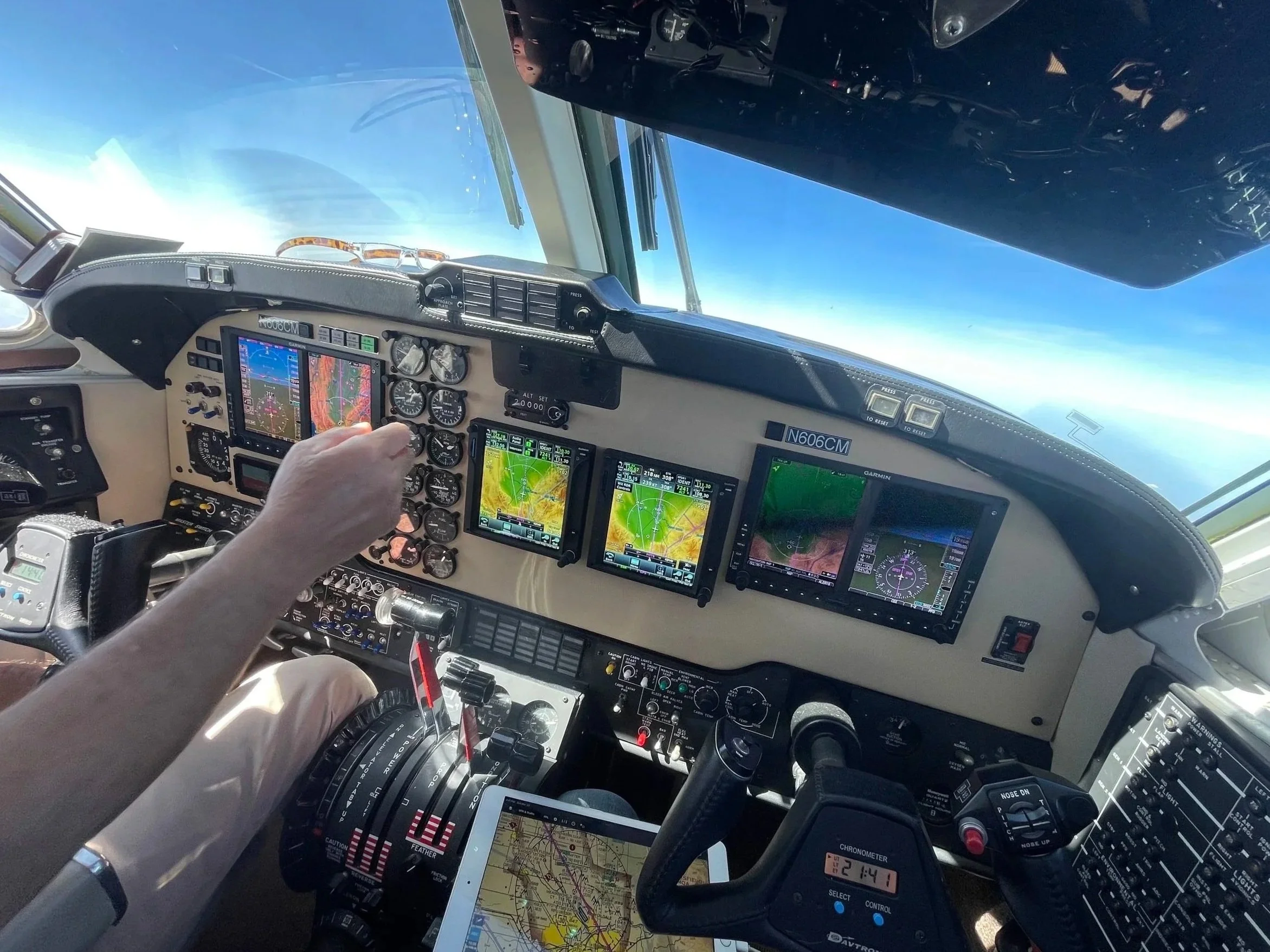
Every two years, the FAA asks you to prove you still belong in the left seat. A flight review, an hour of ground, and an hour in the air with a CFI, and you're legal for another 24 months.
Simple enough.
But here's a question worth sitting with: Does legal mean safe?
The honest answer is: not necessarily. And understanding that distinction between being current and being genuinely proficient might be the most important thing a pilot can do for their flying.
Current vs. Proficient: Two Very Different Things
The FAA is clear about what a flight review requires. Under 14 CFR 61.56, the minimum is one hour of ground instruction covering Part 91 regulations and one hour of flight covering maneuvers the instructor deems necessary. That's it. There's no standard maneuver list, no pass/fail grade, and no requirement to demonstrate anything beyond what one instructor decides in one session every two years.
Currency keeps you legal. Proficiency keeps you safe.
AOPA (Aircraft Owners and Pilots Association) puts it plainly: you can be current without being a proficient pilot. The FAA (Federal Flight Administration) sets minimum standards for currency, which has a lot to do with staying legal, but not much to do with being a truly competent pilot. The regulations define a floor, not a ceiling.
Think about what can happen in two years. Habits drift. The crosswind technique gets sloppy. Traffic pattern discipline softens. The scan that felt automatic starts to lag. None of this shows up in a logbook. None of it is captured by a flight review that ticks the minimum boxes. But all of it matters in the airplane.
The Review Is a Starting Point, Not a Finish Line
This isn't a criticism of flight reviews; they serve a real purpose. At their best, they're a genuine reset: a chance to fly with an experienced instructor, catch bad habits before they calcify, and reconnect with the fundamentals. A good flight review is one of the most valuable hours you can spend in an airplane.
The problem isn't the review itself. It's treating it as the end of the conversation rather than the beginning.
Proficiency isn't a destination you reach every 24 months. It's something you maintain through practice, deliberate training, and honest self-assessment about where your flying has gotten comfortable in ways it maybe shouldn't be.
What Sharpening Up Actually Looks Like
Beyond the biennial minimum, there are several types of training that genuinely move the needle on pilot skill.
Stick-and-Rudder Work → The basics of aircraft control (coordination, crosswind technique, and precision landings) are skills that erode without regular attention. A focused session on fundamentals with a good instructor reveals more than years of solo flying ever will. You simply don't know what you don't know until someone is watching.
Tailwheel Training → Flying a tailwheel aircraft is one of the most effective ways to sharpen rudder discipline and precision. Because taildraggers don't tolerate sloppy inputs, they surface weaknesses quickly and build the kind of coordination that transfers to every aircraft you fly.
Spin Training → Understanding stall/spin dynamics, not just reading about them, but actually experiencing them with an instructor in a spin-certified aircraft, builds situational awareness that's hard to develop any other way. It changes how you fly the traffic pattern forever.
Scenario-Based Flying → Practicing real-world decisions (ie, diversions, partial panel, and engine-out approaches) under the supervision of an instructor is a fundamentally different exercise than logging solo hours in good conditions. The pressure of an unfamiliar scenario is where proficiency gaps show up.
The Honest Conversation Most Pilots Don't Have
There's a tendency in general aviation to treat the flight review as something to get through rather than something to get out of. Show up, fly some turns, review a few regs, get the logbook stamp, and move on. Two years bought.
But the pilots who take their flying seriously tend to approach it differently. They use the review to identify weaknesses, not hide them. They schedule time with instructors, not because they have to, but because they recognize what regular outside feedback does for their flying. They think about the skills they haven't practiced recently and make a plan to address them before those skills are tested by the airplane, not by a maneuver at altitude.
Flying With Lance: Where Reviews Actually Mean Something
At Meade Aviation Services, Lance Meade approaches flight reviews the way good instruction should work: practically, honestly, and without the box-checking mentality that makes too many BFRs forgettable. With over 50 years of flying experience and decades as a United Airlines captain, Lance brings a genuine perspective to what safe, skilled flying actually looks like, not just what the regulations require.
As the Meade Aviation Services website puts it: "Many pilots dread the biannual, but Lance doesn't. It's fun, you will learn a lot, and come out the other side with more confidence."
Whether you're due for a review, looking to add a tailwheel endorsement, work on spin awareness, or simply spend some time focusing on the fundamentals, training with Lance is a chance to do more than stay current. It's a chance to actually get better.
The biennial flight review is the minimum. Make it a reason to do more, not a reason to stop there.
Contact Meade Aviation Services to schedule your next flight review or skills session.
Sources:
