
The Benefits of Tailwheel Training
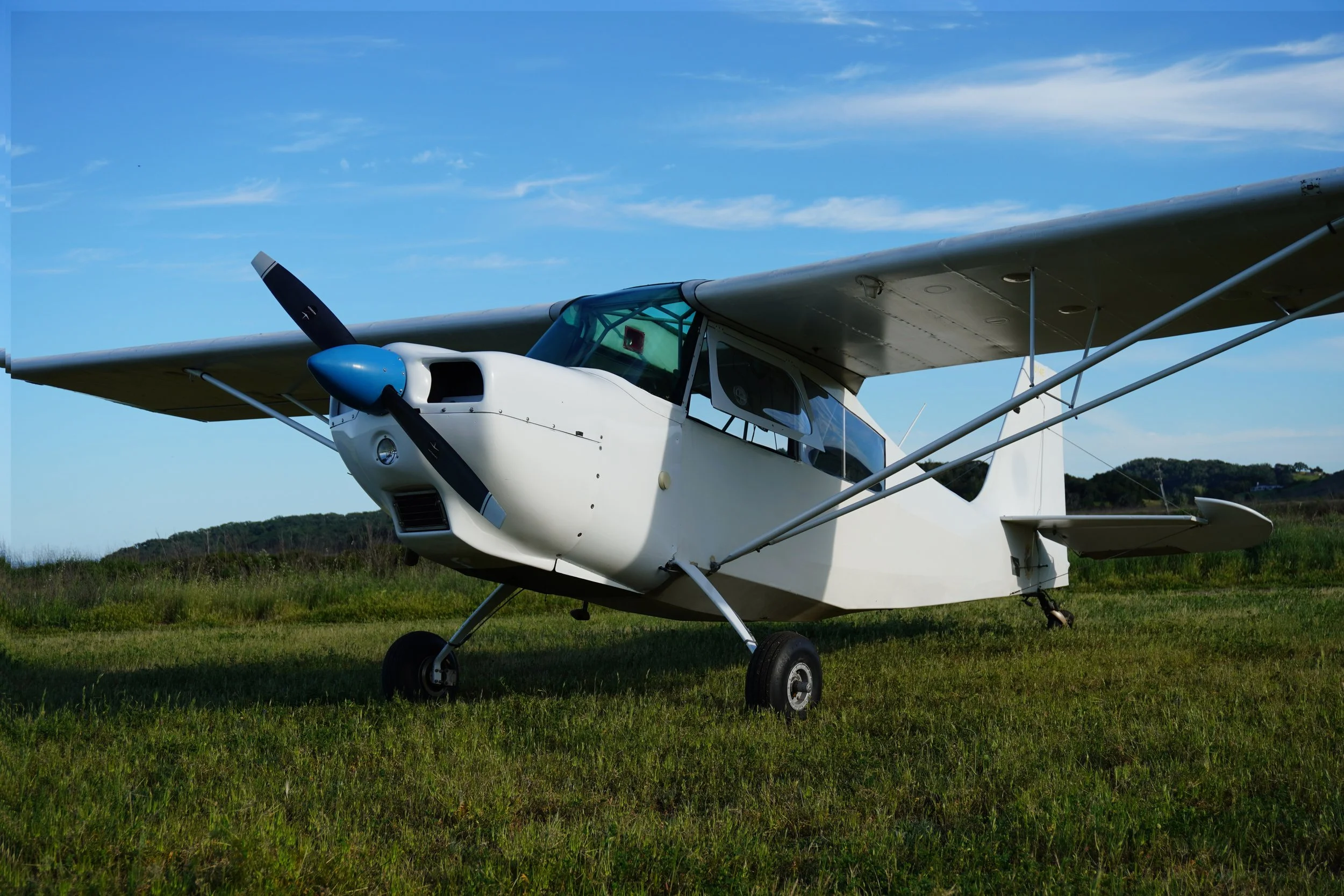
There's a reason seasoned pilots talk about tailwheel flying the way others talk about learning a second language: it changes the way you think.
Flying a tailwheel aircraft, often called a "taildragger," doesn't just add an endorsement to your logbook. It fundamentally reshapes how you interact with an airplane. Whether you're a student pilot just finding your footing or a licensed pilot looking to sharpen your edge, tailwheel training is one of the most rewarding investments you can make in your flying.
It Forces You Actually to Fly the Airplane
Modern tricycle-gear trainers are forgiving by design. That's great for building initial confidence, but it can also mask sloppy habits. In a tailwheel aircraft, there's nowhere to hide. The rudder isn't optional; it's essential. From the moment you advance the throttle on takeoff to the final rollout after landing, you're actively managing the aircraft's yaw with your feet. Miss a rudder input, and the plane will let you know.
This constant engagement builds a level of coordination and feel that doesn't develop the same way in a nose-wheel aircraft. As one aviation writer at Specialized Aeroworks puts it, tailwheel training creates a "stick-and-rudder renaissance", a return to the fundamentals that make a truly capable pilot.
Landings Become a Whole New Conversation
Ask any tailwheel pilot what first surprised them, and they'll almost certainly say the landings. A taildragger demands a precise flare, proper energy management, and active control inputs all the way to a stop. There's no gentle self-correction from a nose wheel to bail you out of a slightly crooked touchdown.
The upside? Once you've consistently nailed landings in a tailwheel aircraft, going back to your tricycle-gear airplane feels almost easy. Crosswind landings, in particular, improve dramatically. The same techniques you develop for keeping a taildragger straight, coordinated rudder, aileron into the wind, deliberate timing, translate directly and make you a noticeably smoother pilot across the board.
Safety Through Better Stick-and-Rudder Skills
Loss of Control Inflight (LOC-I) is the leading cause of fatal accidents in general aviation, responsible for more deaths than the next nine accident categories combined. The antidote, in large part, is exactly what tailwheel training builds: precise aircraft control, sharp situational awareness, and the ability to manage the airplane confidently at the edges of its envelope.
By spending time in a taildragger, you develop the muscle memory and instincts to handle slow flight, crosswinds, go-arounds, and unexpected situations with a calm, practiced hand. You're not just learning to fly a different type of airplane; you're becoming a more capable, safety-conscious pilot in every aircraft you'll ever fly.
It Opens the Door to Some Incredible Aircraft
Here's the part that doesn't always make the safety pamphlets but absolutely should: tailwheel aircraft are fun. Fanatically, unreservedly fun.
The tailwheel endorsement is your key to a whole category of aircraft that nose-wheel pilots can only admire from the ramp. Classic Cubs and Aeronca Champions, the nimble Citabria, backcountry beasts like the Carbon Cub, these aircraft represent some of the purest, most joyful flying in all of general aviation. Many of them don't even need a paved runway. A grass strip, a gravel bar, a wide-open field, and tailwheel aircraft were built to go places other planes can't.
For pilots who love the idea of adventure flying, bush strips, or simply reconnecting with what made aviation magical in the first place, the tailwheel world is waiting.
The Value Is Real
Beyond the pure joy of it, tailwheel aircraft often represent excellent value. Because they require a specific endorsement, the market for vintage taildraggers can be less competitive than their tricycle-gear equivalents, sometimes significantly so. Pilots who've put in the work to earn their tailwheel endorsement find themselves with access to a broader, often more affordable pool of aircraft to own or rent.
Training With Experience Makes All the Difference
Tailwheel training is also a masterclass in learning from someone who has truly been there. At Meade Aviation Services, instructor Lance Meade brings over 50 years of flying experience to every session, including decades as a United Airlines captain flying some of the world's most demanding aircraft. But what sets his instruction apart isn't the hours in his logbook; it's the approach. Training is relaxed, hands-on, and built around your goals. The Citabria 7ECA he flies is a perfect training platform, responsive, honest, and genuinely enjoyable to fly.
The result is a training experience that doesn't feel like work. It feels like flying.
Whether you're chasing an endorsement, trying to become a sharper pilot, or just looking for a reason to fall in love with flying all over again, tailwheel training delivers. It's one of those rare things in aviation that gives back far more than you put in.
Ready to get started? Contact Lance at Meade Aviation Services and take the first step toward becoming a more complete pilot.
Sources:
Tailwheel Training – 7 Benefits of a Tailwheel Endorsement for New Pilots – Flight School USA
Stick-and-Rudder Renaissance: How Tailwheel Training Improves Landings – Specialized Aeroworks
4 Reasons to Learn to Fly a Tailwheel Aircraft – Hartzell Propeller
Five Taildraggers That Are Easy To Buy, Fly, and Insure – Flying Magazine
